Safety equipment plays a vital role in protecting workers across Saudi Arabia’s construction, oil and gas, and manufacturing industries. Using appropriate protective equipment helps reduce workplace hazards, support compliance with applicable Saudi occupational safety regulations, and promote a safer working environment. Salim Service supports businesses and property owners through professional inspection services that help assess safety conditions, identify potential risks, and strengthen workplace and building safety practices in line with relevant requirements in Saudi Arabia.
Safety equipment plays a vital role in protecting workers across Saudi Arabia’s construction, oil and gas, and manufacturing industries. Using appropriate protective equipment helps reduce workplace hazards, support compliance with applicable Saudi occupational safety regulations, and promote a safer working environment. Salim Service supports businesses and property owners through professional inspection services that help assess safety conditions, identify potential risks, and strengthen workplace and building safety practices in line with relevant requirements in Saudi Arabia.
Safety Equipment: Essential Types for Workplace Protection
In Saudi Arabia's rapidly expanding industrial, construction, and energy sectors, protecting the workforce is a critical priority for employers and project managers. The Kingdom's ambitious development under Vision 2030 has brought a massive surge in large-scale projects, making comprehensive workplace protection more vital than ever. Employers must understand that safety equipment forms the absolute baseline of any occupational health and safety program. From heavy machinery operations in the scorching desert sun to complex petrochemical refineries in the Eastern Province, having the correct gear saves lives, prevents costly injuries, and fosters a culture of reliability and care.
Learn More : Saudi Building Code
Safety Equipment: A Complete Guide to Personal and Industrial Safety
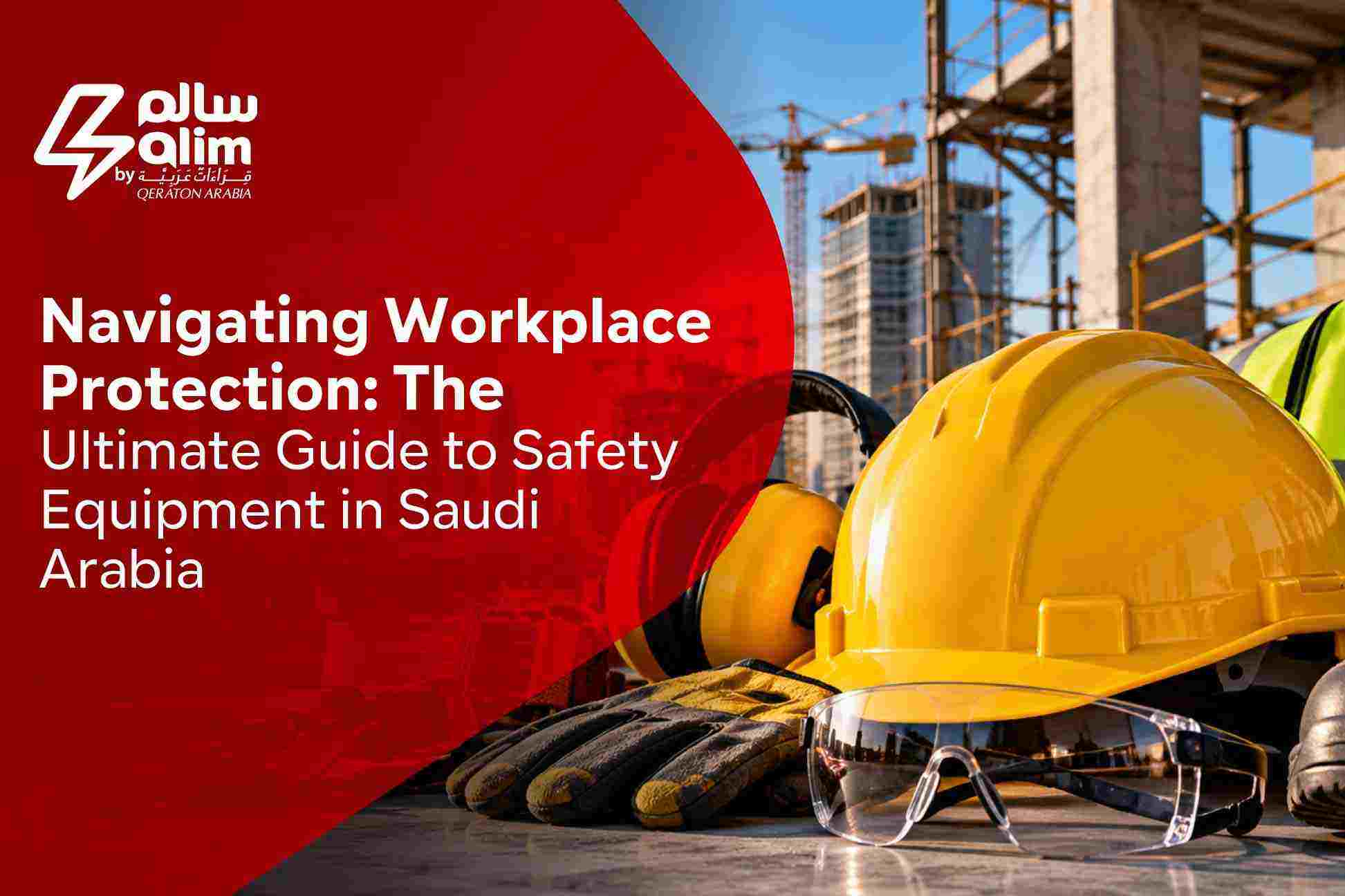
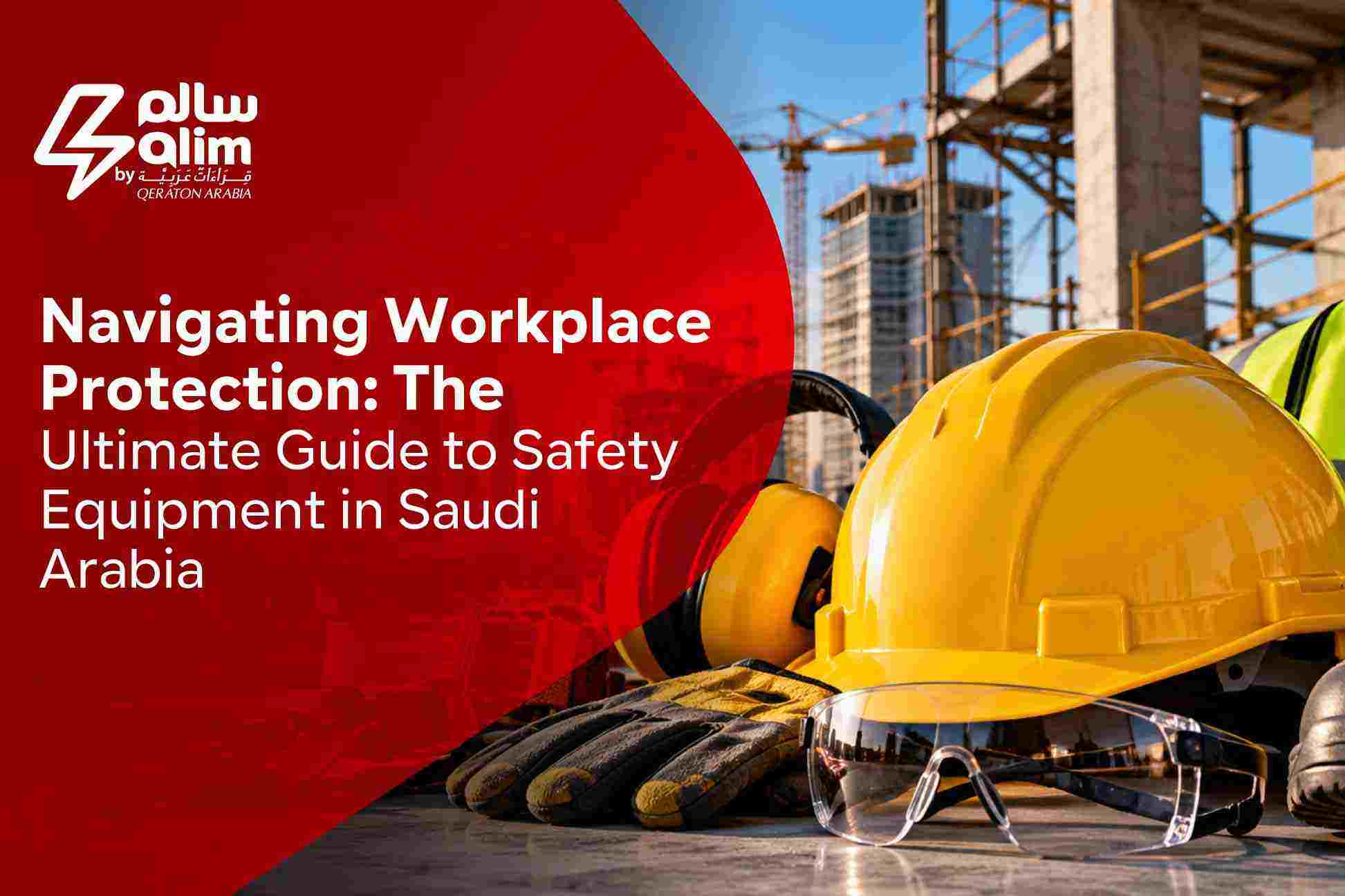
- Personal Protective Equipment (PPE) and collective industrial safety gear serve as the primary barriers between workers and hazardous environments. Understanding the specific categories of safety equipment ensures that teams are adequately shielded from diverse workplace risks:
- Head Protection: Hard hats and industrial helmets shield workers from falling objects, electrical hazards, and accidental impacts on construction sites.
- Respiratory Protection: Dust masks, half-mask respirators, and Self-Contained Breathing Apparatus (SCBA) protect against airborne toxins, chemical fumes, and particulate matter common in manufacturing and oil extraction.
- Eye and Face Protection: Safety glasses, chemical splash goggles, and welding shields prevent debris, sparks, and dangerous liquids from causing irreversible vision damage.
- Hand and Foot Protection: Steel-toe boots protect against crushing injuries and punctures, while chemical-resistant and cut-resistant gloves safeguard hands from sharp materials and hazardous substances.
- Fall Protection: Full-body harnesses, anchor points, and lifeline systems are mandatory for workers operating at elevated heights, adhering strictly to global and Saudi safety standards.
Learn More : Commercial Building Inspection
Choosing the Right Safety Equipment for Your Business
Selecting high-quality safety equipment requires a meticulous approach tailored to the unique hazards of your specific operational environment. Business owners and safety officers in Saudi Arabia must first conduct comprehensive risk assessments to identify potential workplace dangers. Once hazards are mapped, purchasing managers should source safety equipment that meets international benchmarks such as OSHA, ANSI, or CE certifications, alongside compliance with local Saudi Arabian Standards Organization (SASO) requirements. It is equally important to involve workers in the selection process to ensure comfort and proper fit, as uncomfortable gear is frequently left unworn. Regular maintenance, proper storage, and timely replacement schedules are also critical to guarantee that all protective gear performs reliably under extreme working conditions.
Learn More : Home Inspection Cost
Why Safety Equipment Is Essential for Every Workplace
The implementation of rigorous safety protocols and the consistent use of safety equipment yield profound benefits for both employees and organizations. Beyond the obvious moral obligation to safeguard human life, maintaining high safety standards drastically reduces absenteeism caused by workplace injuries and lowers operational downtime. In Saudi Arabia, regulatory bodies strictly enforce occupational health laws, meaning that compliance with safety equipment mandates helps businesses avoid hefty fines, legal liabilities, and potential project shutdowns. Furthermore, companies that prioritize a secure working environment naturally boost employee morale, enhance productivity, and build a stellar corporate reputation that attracts top-tier domestic and international talent.
Learn More : Building Inspection Service
Safety Equipment: Types, Benefits, and Best Practices
To maximize the effectiveness of your investment in safety equipment, organizations must integrate best practices into their daily operational routines. Training employees on the proper wear, inspection, and disposal of safety equipment is just as important as providing the gear itself. Regular safety audits and open channels of communication encourage workers to report damaged equipment immediately without fear of reprimand. By treating safety equipment not merely as a regulatory checkbox, but as an integral pillar of company culture, businesses across Saudi Arabia can build resilient, safe, and highly productive workforces capable of meeting the challenges of tomorrow.
Learn More : Home Inspection Before Buying
Protecting your property starts with a professional Property Inspection Service that helps identify potential defects, assess building conditions, and support informed decisions before buying, selling, or maintaining a property in Saudi Arabia. Salim Service provides specialized property inspection to evaluate key components, including structural elements, electrical systems, and plumbing, helping property owners and investors recognize potential risks and avoid unexpected repair costs. Whether you are purchasing a new home or assessing an existing building, a professional inspection gives you greater clarity about the property's condition and helps protect your investment.
Contact us today to learn more about Salim Service's Property Inspection Service.
FAQs
What is safety equipment?
Safety equipment refers to any specialized gear, clothing, devices, or systems designed to protect workers from physical harm, health hazards, and potential accidents in industrial, construction, or commercial environments.
What types of safety equipment are commonly used?
Common types of safety equipment include personal protective equipment (PPE) such as hard hats, safety glasses, respirators, high-visibility clothing, steel-toed boots, and fall protection harnesses, alongside collective safeguards like fire extinguishers and safety barriers.
Why is safety equipment important in the workplace?
Safety equipment is vital because it prevents injuries, saves lives, ensures compliance with national labour laws, reduces organizational liability, and boosts employee morale by creating a secure working environment.