The Saudi Building Code establishes national standards for construction quality, safety, and sustainability across the Kingdom of Saudi Arabia. Designed to align with international best practices and support Saudi Vision 2030, it sets essential requirements for architectural design, structural engineering, fire protection, and energy efficiency. Compliance helps protect public health, improve building performance, and support the development of safe, sustainable infrastructure. Salim Service supports property owners, investors, and businesses through professional inspection services that help assess building conditions, identify potential defects, and make informed decisions about property safety and quality in Saudi Arabia.
Why is the Saudi Building Code Important?
The code is essential because it fundamentally standardizes the construction sector in Saudi Arabia. Before its strict nationwide implementation, varying regional engineering practices created inconsistencies in structural quality. By unifying these rules, the framework guarantees structural stability, drastically minimizes the long-term maintenance costs of properties, and increases overall real estate market value. Furthermore, it protects national economic assets by introducing stringent energy efficiency and resource conservation mandates, which lower operational costs for property owners over time.
Learn More : Commercial Building Inspection
Key Requirements of the Saudi Building Code
The framework incorporates diverse specialized technical codes spanning multiple disciplines:
- Structural Safety (SBC 301–306): Focuses on concrete, steel, and load-bearing capacities to ensure buildings can withstand seismic activity and environmental stressors.
- Fire Protection (SBC 801): Mandates specific rules for fire-resistant materials, automated alarm networks, and dedicated evacuation routes.
- Energy Conservation (SBC 601): Requires advanced thermal insulation, double-glazed windows, and energy-efficient HVAC units to reduce electricity consumption.
- Mechanical and Plumbing (SBC 501, 701): Regulates standard safety guidelines for indoor air quality and water systems.
Learn More : Home Inspection Cost
Who must comply with the Saudi Building Code?
Compliance is mandatory for all public and private construction activities across the Kingdom. This legally applies to:
- Property Owners and Developers: Must ensure projects are planned and budgeted according to code regulations.
- Designers and Architects: Legally bound to generate blueprints and technical calculations that match national parameters.
- Contractors and Supervisors: Tasked with executing and managing the physical build exactly as permitted.
The code governs everything from small-scale residential houses to sprawling commercial developments, industrial facilities, and public infrastructure. It even covers existing buildings undergoing expansion, major restoration, or a change in structural use.
Learn More : Building Inspection Service
How the Saudi Building Code improves Building safety
Building safety is improved by eliminating human error and structural vulnerabilities during the design phase. By forcing developers to conduct mandatory soil testing for every $300\text{ m}^2$ of plot area, foundation settlement and structural collapse risks are mitigated. Additionally, the integration of advanced fire safety standards—such as automatic fire suppression networks and flame-retardant building shells—ensures that occupants have ample time to evacuate in emergencies.
Learn More : Home Inspection Before Buying
Common challenges in meeting the Saudi Building Code
Transitioning to this robust framework presents several hurdles for local construction entities:
- Increased Upfront Costs: Initial development expenses generally spike by about 5% to 6% due to required premium materials, mandatory structural insurance, and specialized engineering fees.
- Technical Skill Gaps: Some local workers and contractors lack familiarity with the precise technical calculations or advanced installation techniques required by the framework.
- Stringent Documentation: Navigating digital platforms like Balady for permits requires flawless paperwork, as minor engineering omissions lead to instant rejection.
The Role of Building Inspections in the Saudi Building Code
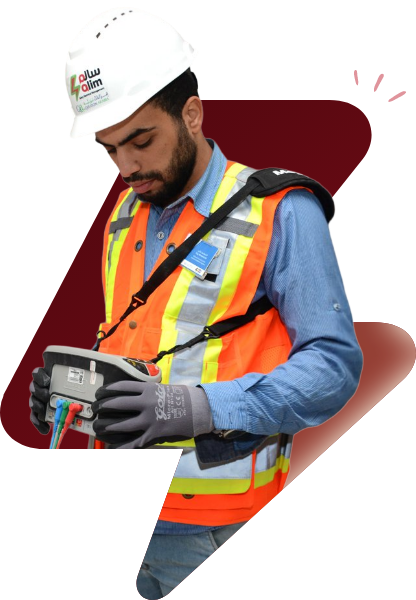
Inspections bridge theoretical compliance and actual on-site implementation. A project cannot advance or transition between stages without a verified review by a classified supervising engineering office. Inspectors typically conduct between 11 to 15 scheduled physical site visits throughout the construction lifecycle. These milestones cover structural groundwork, plumbing networks, electrical layouts, and safety insulation. A building is strictly prohibited from being populated until it successfully passes all field audits.
How to Ensure Compliance with the Saudi Building Code
- Hire Classified Consultants: Partner with certified, code-literate architectural and engineering bureaus from day one.
- Prioritize the Design Phase: Ensure all technical schematics and energy computations are thoroughly pre-checked before submission.
- Establish Rigorous Site Supervision: Retain a certified third-party supervisor to oversee the contractor's daily work.
- Acquire Inherent Defects Insurance (IDI): Obtain the necessary compulsory structural insurance policy required for residential construction.
Understanding the Saudi Building Code is essential for maintaining building safety, construction quality, and compliance with applicable regulations in Saudi Arabia. A professional Property Inspection Service from Salim Service helps property owners, buyers, and investors assess the condition of key building components, including structural elements, electrical systems, and plumbing installations. Property inspections can help identify visible defects and potential safety concerns, supporting more informed decisions about property quality and maintenance needs. Whether you are purchasing a property or evaluating an existing building, Salim Service provides professional inspection support to help you protect your investment and make confident property decisions.
Contact us to learn more about our Property Inspection Service in Saudi Arabia.
FAQs
Who enforces the Saudi Building Code?
Enforcement is led collaboratively by the Ministry of Municipalities and Housing (MOMAH) alongside the General Directorate of Civil Defense (for life and fire safety components) and the Saudi Building Code National Committee (SBCNC), which oversees systemic updates and technical auditing guidelines.
What happens if a building does not comply with the Saudi Building Code?
Non-compliant projects face immediate stop-work orders, the denial of an Occupancy Certificate, and heavy financial penalties. For instance, recent updates impose fines ranging from SAR 5,000 to SAR 25,000 for unauthorized building subdivisions. If a violation compromises safety or cannot be structurally removed, developers can be fined up to 50% of the entire unit's construction cost and face severe legal liability.
How can property owners prepare for a Saudi building code inspection?
Owners must ensure that all structural phases match the pre-approved municipal blueprints exactly. All material test certificates (such as concrete strength reports and thermal insulation approvals) must be fully documented and accessible on-site. Finally, coordinate with a licensed supervisor to review the specific inspection checklist on the Balady platform prior to the field inspector’s arrival.