In Saudi Arabia, hiring a Building Inspection Engineer is essential to protect your investment, identify hidden risks, and ensure compliance with the Saudi Building Code. These experts provide peace of mind before you buy, renovate, or maintain any building. In this post, you’ll discover why a Building Inspection Engineer is crucial, the services they provide, the tools and methods they use, and how they help you make safe, informed decisions about your property.
Importance of Hiring a Building Inspection Engineer for Property Safety
Your building is more than just concrete, steel, and paint—it’s an investment and a space where people live or work safely. That’s why hiring a Building Inspection Engineer is a critical step in protecting your property and everyone inside it.
The benefits include:
- Protecting your investment: Early detection of faults prevents costly repairs later.
- Ensuring safety
- Compliance with regulations
- Increasing property value
Imagine spending millions on a building only to discover structural or mechanical issues later. With a qualified Building Inspection Engineer, you avoid surprises and make informed decisions.
Roles and Responsibilities of a Building Inspection Engineer
You might ask, what exactly does a Building Inspection Engineer do? Their responsibilities are comprehensive, including:
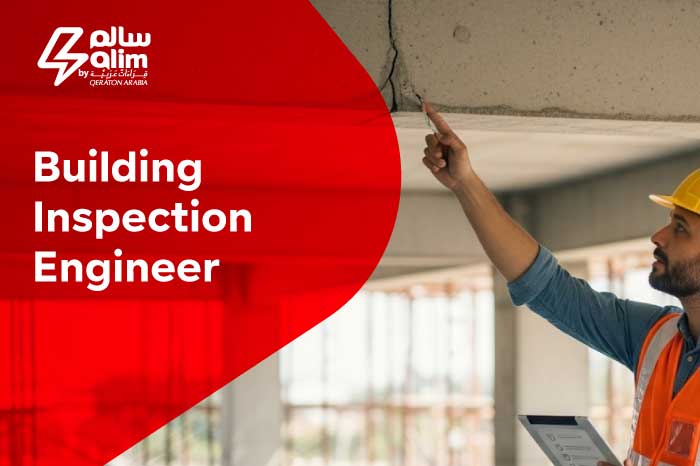
- Assess structural integrity: Check foundations, walls, and roofs to prevent costly repairs later.
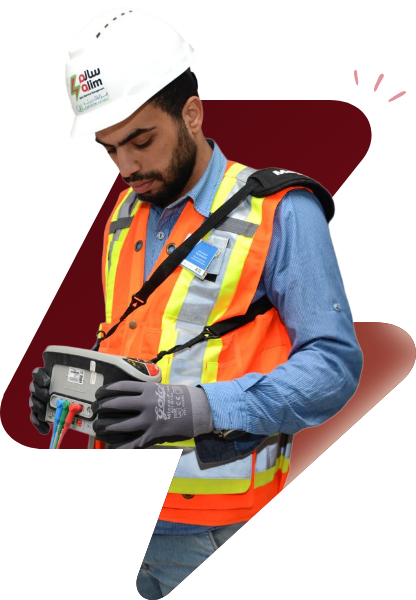
- Inspect electrical and mechanical systems: Ensure all systems are operating correctly to identify hidden risks, save people's lives and eliminate serious hazards.
- Evaluate fire safety and emergency systems: Verify alarms, sprinklers, and exits are compliant and align your property with the Saudi Building Code.
- Check compliance with building standards: Confirm alignment with national and international codes.
- Prepare detailed reports: Offer recommendations for repairs or improvements.
Best Methods Used by a Building Inspection Engineer for Accurate Assessments
How does a Building Inspection Engineer determine your building’s true condition? Their methods combine experience with precise tools:
- Visual inspections by walkthroughs to check walls, floors, ceilings, and roofing.
- Non-destructive testing (NDT) using advanced techniques detects internal faults without damaging structures.
- System audits by examining electrical, gas, HVAC, and plumbing systems.
- Document review by analysing construction plans, maintenance logs, and past inspections.
Step-by-Step Process Followed by a Building Inspection Engineer like Salim
Here’s how professional inspections typically unfold, as practiced by Salim:
- Initial consultation: Understanding your property needs and concerns.
- Scheduling the inspection: Choose a date convenient for a thorough assessment.
- Conducting the inspection: Fieldwork covering structural, electrical, mechanical, and environmental systems.
- Testing and evaluation: Verify systems, detect risks, and assess compliance.
- Report preparation: Detailed findings, photos, and recommended actions.
- Review and discussion: Walk through the report with you for clarity.
- Follow-up support: Re-inspections or additional guidance if needed.
Cost of Hiring a Building Inspection Engineer and Factors Affecting It
Many property owners wonder: What does a Building Inspection Engineer cost? Prices vary depending on several factors, including:
- Property size and type
- Age and condition of the building
- Scope of inspection required
- Advanced technology usage
- Engineer’s experience and credentials
FAQs
What are the main tasks of a Building Inspection Engineer?
The responsibilities of a building inspection engineer are to inspect structural elements, electrical and mechanical systems, fire safety compliance, and prepare detailed reports with actionable recommendations.
Can a Building Inspection Engineer inspect a property before purchase?
Yes, it is one of the most important times to hire an inspection engineer to uncover hidden defects and assess safety.
When is it necessary to hire a Building Inspection Engineer to avoid structural risks?
Before major renovations, after natural events, or when dealing with older or poorly maintained buildings.