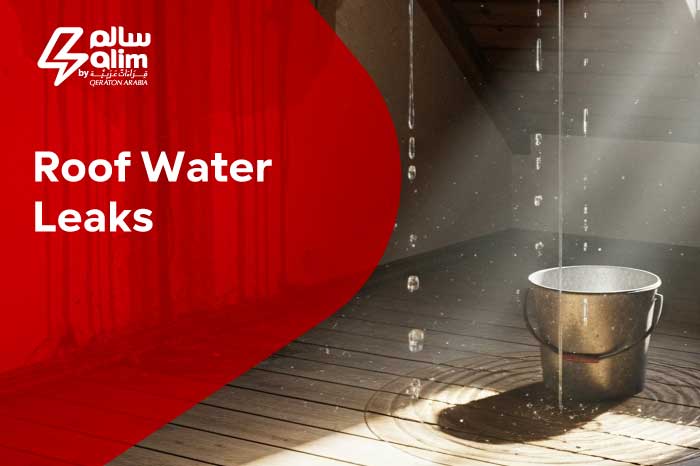
In Saudi Arabia, our buildings are our sanctuaries. Whether it is a modern villa in Riyadh or a commercial complex in Jeddah, the structural integrity of these properties depends on one often-overlooked factor: a dry, secure roof. While the Kingdom is known for its arid climate, the sudden, heavy seasonal downpours and the intense humidity in coastal regions make a Roof Water Leak a serious threat.
Ignoring a small damp spot today can lead to a catastrophic structural failure tomorrow. This blog explores why addressing roof leaks immediately is essential and how professional services like Salim can safeguard your investment.
Importance of Addressing Roof Water Leaks to Protect Your Building
A roof is more than just a cover; it is a complex shield. When a Roof Water Leak occurs, it is an indication that this shield has been breached. Addressing these leaks promptly is vital for several reasons:
- In Saudi construction, concrete is the primary material. Water seepage causes the steel reinforcements (rebar) inside the concrete to rust and expand, leading to "concrete spalling" and weakened foundations.
- Dampness is the perfect breeding ground for mold and mildew. These can trigger respiratory issues and allergies for your family or employees.
- Water doesn't stay on the ceiling. It drips onto expensive furniture, electronics, and specialized flooring, leading to thousands of Riyals in secondary damage.
- A building with a history of water damage is a liability. Routine leak management ensures your property remains a high-value asset in the Saudi real estate market.
Common Causes of Roof Water Leaks and How to Prevent Them
Understanding why your roof is leaking is the first step toward a permanent solution. Here are the most common culprits:
- The intense Saudi sun causes roofing materials to expand during the day and contract at night. Over time, this creates micro-cracks in the concrete slab.
- Most traditional waterproofing membranes have a lifespan of 8–12 years. Once they become brittle, they lose their ability to repel water.
- Dust and sandstorms often fill roof gutters and drains. When it finally rains, the water pools on the roof (ponding) instead of draining away, eventually finding a way through the smallest gaps.
- The seals around chimneys, vents, and AC units are often the first to fail due to high UV exposure.
How to Prevent Them:
- Schedule professional inspections twice a year, especially before the winter rainy season.
- Keep your roof and drainage pipes clear of sand and debris.
- Apply UV-resistant coatings to protect sensitive joints and flashing.
Damage Risks of Ignoring Roof Water Leaks
The "wait and see" approach is the most expensive mistake a property owner can make. The risks include:
- Water leaking through the roof often travels along electrical conduits. If it reaches a junction box or a light fixture, it can cause short circuits or devastating fires.
- Saturated plasterboard and weakened concrete slabs become heavy and unstable. A sudden collapse is a major safety risk for occupants.
- Wet insulation loses its thermal properties. This means your AC has to work much harder to keep the building cool, leading to a massive spike in your monthly electricity bills.
Best Methods to Repair Roof Water Leaks Professionally
Modern engineering offers several high-tech ways to fix a Roof Water Leak without needing to rebuild the entire structure:
For deep cracks in concrete slabs, professionals inject liquid polyurethane that expands to fill the void, creating a flexible, watertight seal from the inside out.
These are seamless, elastomeric coatings that are painted onto the roof. They are highly popular in Saudi Arabia because they adapt to the roof's shape and are incredibly UV-resistant.
Often used for flat roofs, these heavy-duty torch-on sheets provide a thick, durable barrier against standing water.
A breathable coating that is ideal for wet areas and concrete surfaces, providing a strong bond that prevents moisture migration.
Steps to Detect Roof Water Leaks Before They Worsen
You don't need to wait for a puddle on the floor to know you have a problem. Follow these steps:
Look for "tea-colored" stains on the ceiling or walls.
Check if your drainage outlets are blocked; standing water after a light drizzle is a major red flag.
If the paint on your ceiling is peeling or bubbling, moisture is likely trapped behind it.
If a room feels unusually humid despite the AC being on, water may be seeping into the walls.
When to Call an Expert for Roof Water Leaks
If you notice a recurring damp spot or visible cracks in your roof slab, it is time to stop the DIY fixes. Professional intervention is required when the leak originates from structural joints or when the waterproofing layer has clearly failed.
Salim services provide comprehensive solutions tailored to the Saudi climate. With a focus on high-quality materials and expert application, Salim ensures that your Roof Water Leak is not just patched, but permanently resolved. Their team understands the unique challenges of local construction, from Riyadh’s heat to Dammam’s humidity, offering peace of mind and long-term protection for your building.
Cost of Fixing Roof Water Leaks and Factors Affecting It
One of the most common questions is: How much will it cost? The truth is that the cost varies according to the case. Because every building has a unique structure and different levels of damage, a flat rate is rarely accurate. Several factors influence the final price:
- A surface crack is much cheaper to fix than a leak that has compromised the internal steel rebar.
- High-rise buildings or roofs with heavy equipment (like large AC chillers) may require more labor and specialized safety gear.
- Premium UV-resistant polyurethane coatings generally cost more than basic bituminous felt but offer much longer protection.
- Whether you are repairing a 2-meter section or re-waterproofing the entire 500-square-meter roof will significantly change the budget.
Frequently Asked Questions (FAQs)
What are the most common causes of Roof Water Leaks?
In Saudi Arabia, the primary causes are thermal cracking due to extreme heat, the aging of existing waterproofing membranes, and the accumulation of sand in drainage pipes which causes water to pool on the roof.
Can Roof Water Leaks be repaired without major construction work?
Yes. Modern methods like liquid-applied membranes and chemical injections allow experts to seal leaks effectively without the need for heavy demolition or tearing down the existing roof structure.
When do Roof Water Leaks indicate a serious structural problem?
If you see large cracks, a sagging ceiling, or reddish-brown stains (indicating rusted steel reinforcement), the leak has likely reached the structural core of the building. In these cases, immediate professional intervention is necessary to prevent a collapse.