Have you ever wondered how unnoticed water leak detection could silently damage your building? A professional building inspection service can save you thousands by detecting problems before they escalate. From identifying hidden leaks to performing a thorough foundation inspection, a skilled property inspector ensures your property remains safe, functional, and compliant. In this blog, we’ll explore why water leak detection matters, common causes, effective detection methods, and when it’s time to call the experts.
Importance of Water Leak Detection for Building Safety
Water leaks are often underestimated, but they can cause serious structural and financial damage if ignored. By performing routine water leak detection through a trusted building inspection service, you can:
- Protect the structural integrity of your building
- Avoid costly repairs to walls, floors, and ceilings
- Ensure safety for occupants
- Maintain property value and compliance with local regulations
Early detection through professional inspections keeps your building safe, especially in high-risk areas like basements, foundations, and bathrooms.
Common Causes Requiring Water Leak Detection
Several factors may trigger water leaks in homes or offices. Common causes include:
- Damaged or old plumbing pipes
- Cracks in the foundation due to soil movement
- Faulty water heaters or HVAC systems
- Poor sealing around windows, doors, and roofs
- Blocked drainage systems
Knowing these causes allows a property inspector in Saudi Arabia like Salim to focus on high-risk areas during a foundation inspection or routine building inspection.
Best Methods for Accurate Water Leak Detection
Professional building inspection services use several techniques to locate water leaks quickly and effectively:
Method
How It Works
Benefits
Thermal Imaging
Detects temperature differences in walls/floors
Non-invasive and precise
Acoustic Sensors
Listens for pipe leaks
Accurate even behind walls
Moisture Meters
Measures water content in surfaces
Helps identify hidden damp areas
Infrared Cameras
Highlights wet spots on ceilings and floors
Quick visual detection
Pressure Testing
Monitors water system pressure
Pinpoints leaks in pipelines
Using these methods ensures your property inspector detects leaks without unnecessary damage to your building.
Steps to Perform Professional Water Leak Detection
A typical professional water leak detection process involves:
- Initial Assessment: The inspector evaluates visible signs of leaks.
- System Isolation: Sections of plumbing may be isolated for targeted testing.
- Non-Invasive Testing: Thermal imaging, acoustic sensors, or moisture meters are used.
- Leak Location Confirmation: Once identified, the exact location is marked.
- Detailed Reporting: A full report highlights the leak’s cause, location, and recommended repairs.
- Follow-Up Inspection: After repairs, a final inspection ensures the issue is resolved.
Following these steps reduces repair costs and prevents recurring leaks.
When to Hire an Expert for Water Leak Detection
You should hire a property inspector or a professional building inspection service if you notice:
Unexplained increase in water bills
Damp spots, stains, or odors
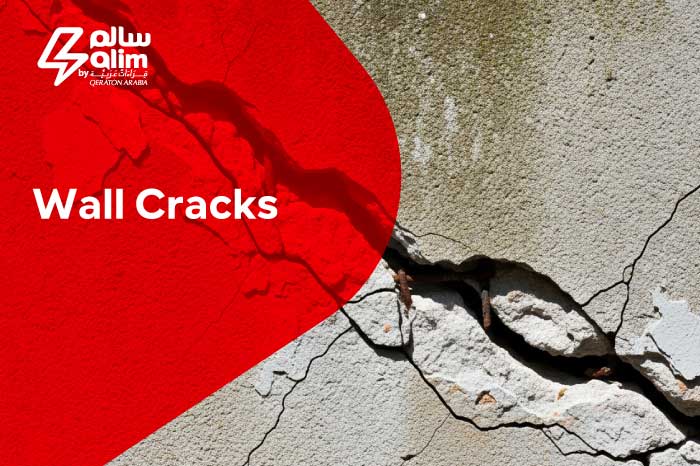
Cracks in walls, ceilings, or foundation
Reduced water pressure or slow drainage
Even small leaks can escalate if left unchecked, so timely expert intervention is critical.
Cost of Water Leak Detection and Factors Affecting It
The cost varies depending on building size, complexity, and detection method:
Detection Type
Cost Range (SAR)
Notes
Standard Inspection
1,500 – 3,500
Includes visual check and basic tools
Advanced Methods
3,500 – 7,000
Thermal imaging, acoustic sensors, and moisture meters
Foundation Inspection
4,000 – 8,000
Focused on structural and underground leaks
Why Choose Salim Inspection and Testing Service?
Qeraton Arabia Company (Salim Service) is the first accredited building inspection service in Saudi Arabia and the Gulf. Here’s why property owners trust us:
- Accredited by Saudi and Gulf Accreditation Centers
- Specialists in foundation inspection, electrical, mechanical, and property inspections
- 8,100+ satisfied clients with 5,670 detailed inspection reports
- Professional national engineers using modern detection technologies
- Comprehensive services covering water leak detection, gas systems, mechanical equipment, and more
Book Your Inpection Service Now.
Conclusion
In summary, water leak detection is an essential part of any building inspection service. Whether it’s a routine check, a foundation inspection, or a targeted leak investigation, hiring a property inspector ensures your property remains safe, compliant, and free from costly damage. Timely detection protects both your investment and your peace of mind.
FAQs
Q1: What are the most effective methods for water leak detection?
A: Thermal imaging, acoustic sensors, moisture meters, and infrared cameras are highly effective for precise, non-invasive detection.
Q2: Can water leak detection be done without breaking walls or floors?
A: Yes. Non-invasive methods like thermal imaging and acoustic sensors allow for accurate detection without damage.
Q3: When is water leak detection critical to prevent serious property damage?
A: Detection is crucial when you notice damp spots, mold, rising water bills, or foundation cracks. Early action prevents costly repairs and health hazards.