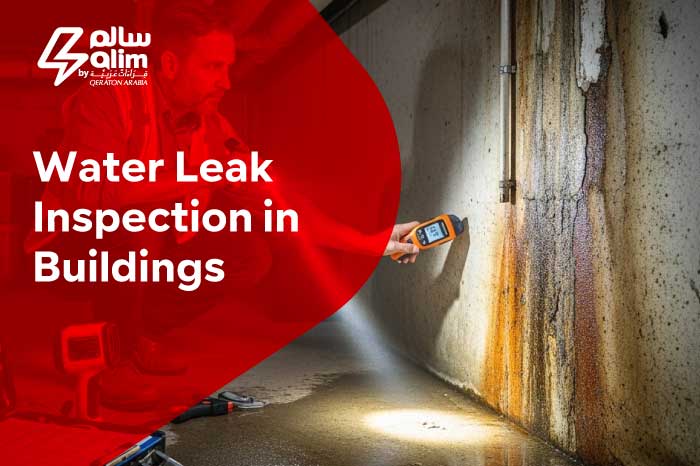
You might assume that a small water stain is harmless. It’s not. It’s often the beginning of something much more serious. When you invest in Water Leak Inspection in Buildings, you are protecting the very integrity of your structure. Water intrusion weakens concrete, corrodes steel reinforcements, and damages insulation. Over time, this absolutely leads to structural instability. In this guide, you’ll discover why Water Leak Inspection in Buildings matters, what causes leaks, how to detect them accurately, and when you should certainly bring in experts like Salim to protect your investment.
Common Causes Necessitating Water Leak Inspection in Buildings
Leaks don’t just “happen.” There are always underlying causes, and understanding them helps you act faster.
Here are the most common triggers that make Water Leak Inspection in Buildings essential:
1 - Aging plumbing systems
Pipes deteriorate over time, especially in older buildings. Corrosion and wear absolutely increase leak risks.
2 -Poor construction quality
Inadequate sealing or substandard materials can lead to hidden leaks from day one.
3 - High water pressure
Excessive pressure stresses pipes and joints, eventually causing cracks or bursts.
4 - Roof and waterproofing failures
Improper insulation or damaged roofing allows water to seep into structural layers.
5 - HVAC system leakage
Condensation lines or drainage issues in cooling systems can quietly cause moisture buildup.
Risks of Ignoring Water Leak Inspection in Buildings
Let’s be direct: ignoring leaks is expensive, dangerous, and completely avoidable.
When you delay Weak Leak Inspection in Buildings, you expose yourself to serious consequences:
- Structural damage: Water weakens load-bearing elements over time
- Mold and health hazards: Moist environments are perfect for harmful mold growth
- Electrical risks: Water and electricity are a dangerous combination
- Property devaluation: Visible damage reduces your building’s market value
- Escalating repair costs: A minor issue today becomes a major expense tomorrow
You might think you’re saving money by postponing inspection, but in reality, you are certainly increasing your future costs.
Best Methods for Accurate Water Leak Inspection in Buildings
Today, Water Leak Inspection in Buildings is more advanced and precise than ever. Professional inspectors rely on cutting-edge technologies to detect leaks without unnecessary damage. The most effective methods include:
- Thermal imaging cameras: Detect temperature differences caused by moisture behind walls
- Acoustic leak detection: Identifies sound frequencies of water escaping pipes
- Moisture meters: Measure hidden dampness in walls, floors, and ceilings
- Pressure testing: Evaluates the integrity of plumbing systems
- Tracer gas detection: Uses safe gases to pinpoint even the smallest leaks
Step-by-Step Process for Water Leak Inspection in Buildings
If you’ve never gone through a Weak Leak Inspection in Buildings, here’s exactly what you can expect:
- Initial Assessment: You explain the issue—visible signs, unusual water bills, or suspected leaks.
- Site Inspection: Technicians examine key areas like plumbing systems, roofs, and drainage points.
- Advanced Testing: Using specialized tools, they detect hidden leaks with precision.
- Diagnosis: The root cause is clearly identified, not just the signs of weak leak inspection in buildings.
- Detailed Reporting: You receive a comprehensive report outlining findings and recommendations.
- Repair Guidance: Experts suggest the most effective solutions to fix the issue permanently.
Cost of Water Leak Inspection in Buildings and Factors Affecting It
Let’s talk numbers, because cost matters. The price of Water Leak Inspection in Buildings varies depending on several factors, including:
- Property size: Larger buildings require more time and resources
- Inspection complexity: Hidden leaks demand advanced technologies
- Type of systems inspected: Plumbing, HVAC, roofing, and drainage all add scope
- Urgency of service: Emergency inspections may cost more
- Technology used: High-precision tools increase accuracy and value
While costs vary, one thing is absolutely certain: inspection is far cheaper than repairing major structural damage.
When to Hire an Expert for Water Leak Inspection in Buildings (SALIM)
You might wonder: “Can I handle this myself?” In some cases, maybe. But in most situations, you absolutely need professionals.
You should hire an inspection expert in Saudi Arabia, like Salim, when:
- You notice unexplained water stains or odours
- Your water bill suddenly increases
- You hear unusual sounds inside the walls
- You’re buying or selling a property
- Your building is older or has been recently renovated
Salim stands out because their inspections are not based on assumptions; they are based on certified standards, advanced tools, and highly trained engineers.
Reach out to our technical team now.
FAQs
What are the most effective methods for Water Leak Inspection in Buildings?
The most effective methods include thermal imaging, acoustic detection, moisture meters, and pressure testing. These technologies allow inspectors to detect leaks accurately without damaging your property.
Can Water Leak Inspection in Buildings be done without damaging walls or floors?
Yes, absolutely. Modern inspection techniques are non-invasive and designed to locate leaks precisely without unnecessary destruction.
When is Water Leak Inspection in Buildings critical to prevent serious structural damage?
It becomes critical when you notice early warning signs like water stains, mold, increased bills, or unusual odors. Acting early certainly prevents severe structural issues.