Wall cracks are one of the most common warning signs homeowners notice, but also one of the most misunderstood. From minor cosmetic flaws to serious structural risks, wall cracks can reveal a lot about your property’s condition, especially in Saudi Arabia’s unique climate and soil conditions.
Wall Cracks: How to Identify Serious Issues in Your Home
Not all wall cracks mean danger, but some definitely do. The challenge is knowing the difference before small issues turn into expensive structural problems.
Hairline cracks that appear over time may simply result from normal settling or temperature changes. However, cracks that widen, grow longer, or appear suddenly can signal deeper issues such as foundation movement, moisture intrusion, or construction defects. Cracks near doors, windows, ceilings, or load-bearing walls deserve special attention, as they often reflect stress within the structure.
In Saudi Arabia, factors like soil expansion, heat extremes, and rapid urban development make professional evaluation essential. Early identification is the key to protecting both safety and property value.
read more: Importance of hiring a Building Inspection Engineer
Common Causes of Wall Cracks and How to Prevent Them
Common Causes of Wall Cracks
- Soil movement and settlement due to clay-rich or unstable soil
- Extreme temperature changes causing material expansion and contraction
- Poor construction quality or inadequate structural design
- Foundation issues caused by improper load distribution
- Water leakage, humidity, or plumbing problems
- Earth vibrations from nearby construction or traffic
- Aging buildings and natural material fatigue
How to Prevent Wall Cracks
- Conduct regular structural inspections, especially in older buildings
- Ensure proper drainage systems to prevent water accumulation
- Use high-quality construction materials and compliant designs
- Address plumbing leaks immediately
- Reinforce foundations in high-risk soil areas
- Rely on certified inspection experts before renovations or expansions
Preventive action costs far less than structural repair—and this is where expert guidance makes all the difference.
Learn More: The Most Dangerous Types of Cracks
Types of Wall Cracks and What They Reveal About Your Structure
- Hairline cracks: Usually cosmetic and caused by plaster shrinkage or paint aging
- Vertical cracks: Often due to normal settlement but may indicate foundation movement if widening
- Horizontal cracks: A red flag for structural pressure or foundation stress
- Diagonal cracks: Common around doors and windows, often linked to uneven settling
- Step cracks (brick walls): Indicate foundation shifting or soil movement
- Wide or growing cracks: Signal serious structural problems that require immediate evaluation
Each crack tells a story. Understanding what it’s saying can save your property from major damage.
Inspection Techniques for Wall Cracks Before Buying or Renovating
- Visual inspection of all internal and external walls
- Measuring crack width, depth, and length
- Monitoring crack growth over time
- Checking alignment of doors and windows
- Inspecting foundations and load-bearing walls
- Using non-destructive testing methods
- Reviewing building plans and construction history
Before purchasing or renovating a property in Saudi Arabia, a professional inspection is not optional; it’s essential.
Tips for Repairing Wall Cracks Safely and Effectively
- Never cover cracks without understanding the root cause
- Clean cracks thoroughly before applying fillers or sealants
- Use flexible repair materials for minor cracks
- Reinforce walls when cracks indicate structural stress
- Address moisture or leakage before cosmetic repair
- Avoid DIY fixes for wide or recurring cracks
- Always consult a qualified inspection expert for assessment
Repairing the symptom without treating the cause often leads to repeated damage and higher costs.
The Role of Experts in Evaluating Wall Cracks
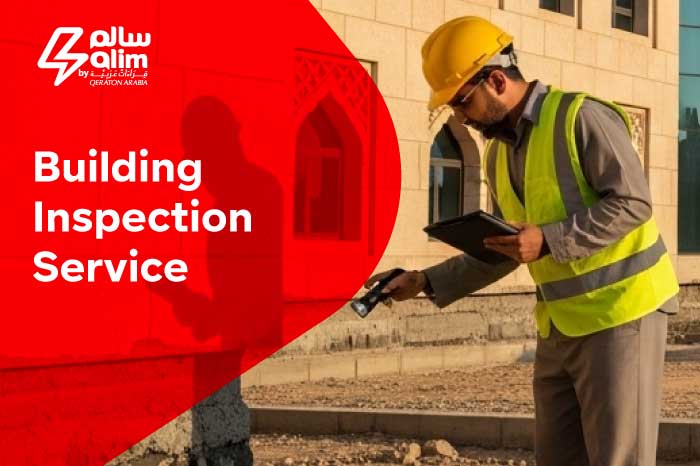
Professional evaluation is the only reliable way to determine whether wall cracks are harmless or hazardous. Salim’s inspection and engineering experts in Saudi Arabia specialize in structural assessments using advanced diagnostic techniques and deep knowledge of local building regulations and environmental conditions.
Salim’s team doesn’t just identify cracks, they analyze their causes, assess structural risks, and recommend precise, cost-effective solutions. Their expertise ensures compliance, safety, and long-term stability, whether for residential, commercial, or industrial properties.
Follow-Up Plan After Repairing Wall Cracks to Ensure Stability
Repairing wall cracks is not the final step—it’s the beginning of ongoing protection. A proper follow-up plan ensures that repairs hold and new issues don’t emerge.
Salim’s services include post-repair monitoring, periodic inspections, and detailed reporting to track structural performance over time. Their preventive approach helps property owners in Saudi Arabia avoid recurring damage, maintain asset value, and ensure peace of mind.
With Salim, you don’t just fix cracks—you secure your building’s future.
FAQs
What are the common causes of wall cracks?
Wall cracks commonly result from soil movement, temperature changes, foundation settlement, poor construction quality, water leakage, and building aging. In Saudi Arabia, climate and soil conditions play a major role.
How can I identify the different types of wall cracks?
By observing their direction, width, and location. Hairline cracks are usually cosmetic, while horizontal, diagonal, or widening cracks may indicate structural issues and require expert evaluation.
Can I repair wall cracks myself, or should I hire an expert?
Minor cosmetic cracks can be repaired safely, but recurring, wide, or structural cracks should always be assessed by certified experts like Salim’s inspection specialists to avoid serious risks.